




‘Once Upon a Time in Chapultepec Heights’ Solo show by Avantgardo
February 2 - March 5, 2026
February 2 - March 5, 2026
The works we usually call artistic, which are not merely superficial rhetoric sustained by some kind of language, essentially lack a precise message: they are not didactic, nor are they a manual explaining the meaning of the work. The scenarios created by Christian Aguilera (Avantgardo) lack a trivial, recognizable orientation and continually approach transgressive play. It is clear that the play is not explicit, nor is the transgression ordinary, because in his pieces there is no reality that must be imagined as a definitive fact, nor as a policy that represents that reality. The game, a consequence of shrewd observation, ironic temperament, and the implementation of iconic cynicism, appears in the pieces of this artist, who does not seek moral criticism, but rather mockery or scathing and constant derision of this heterogeneous tumult filled with pitiful beings that we generally call society.
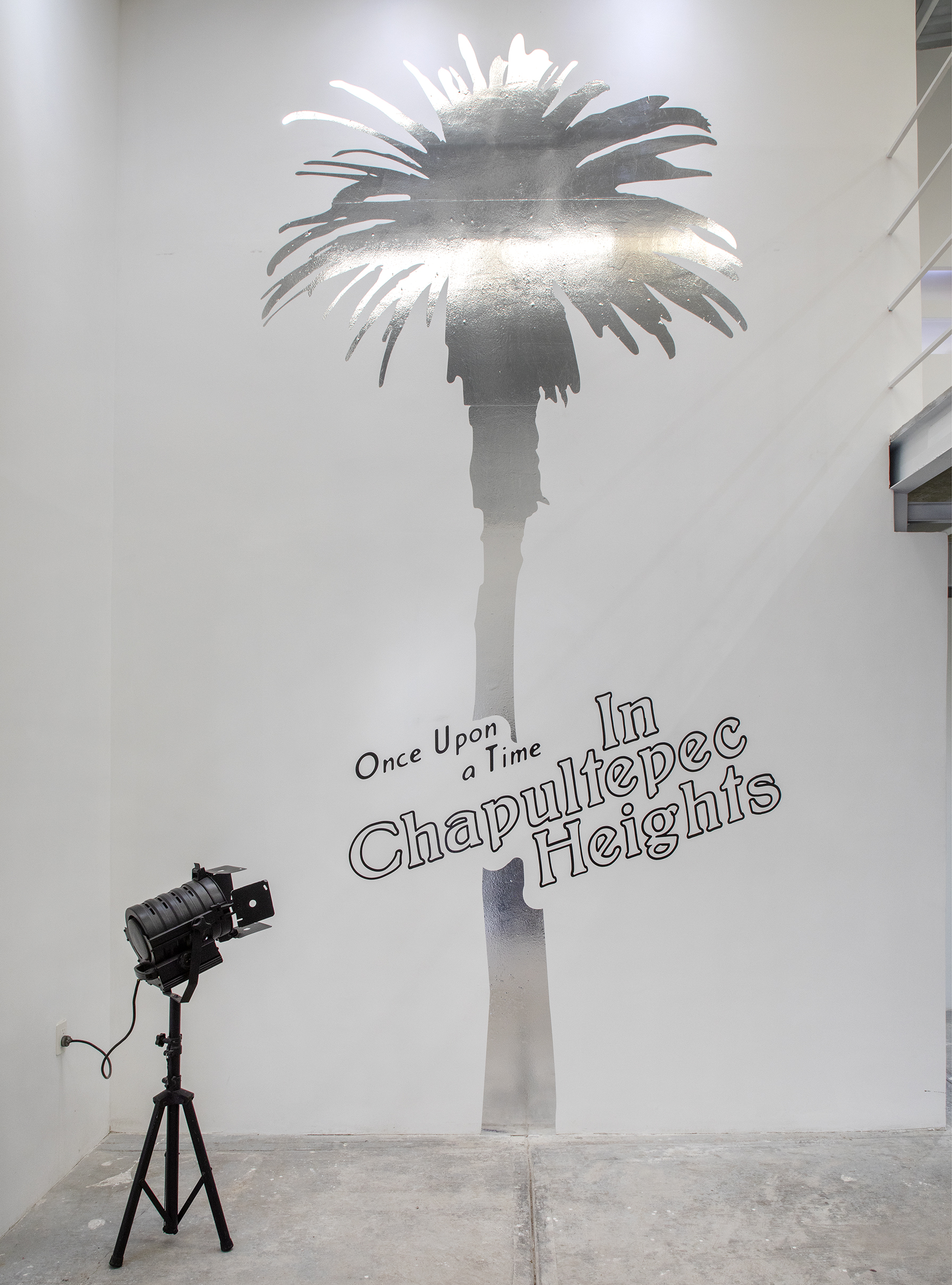
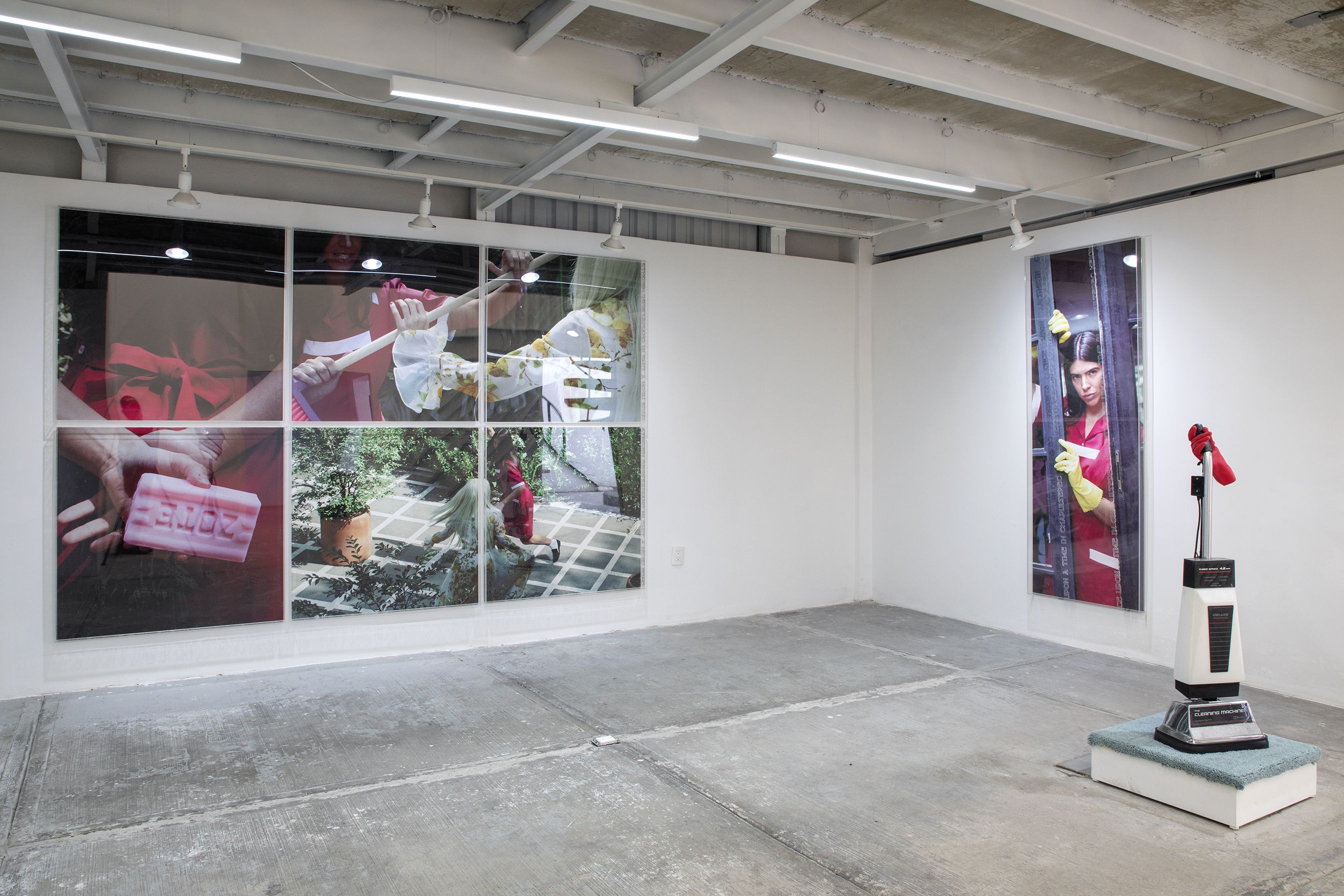
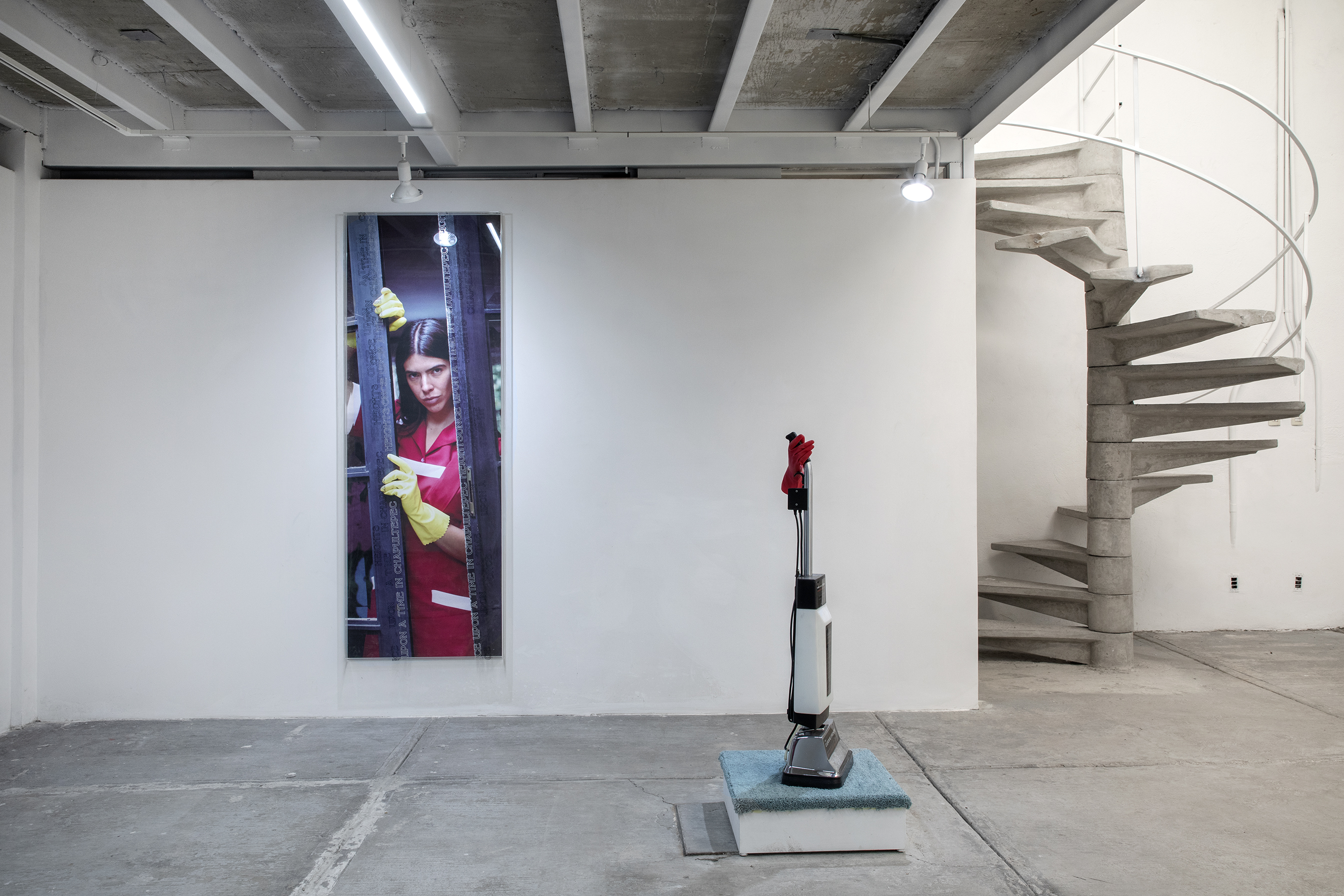
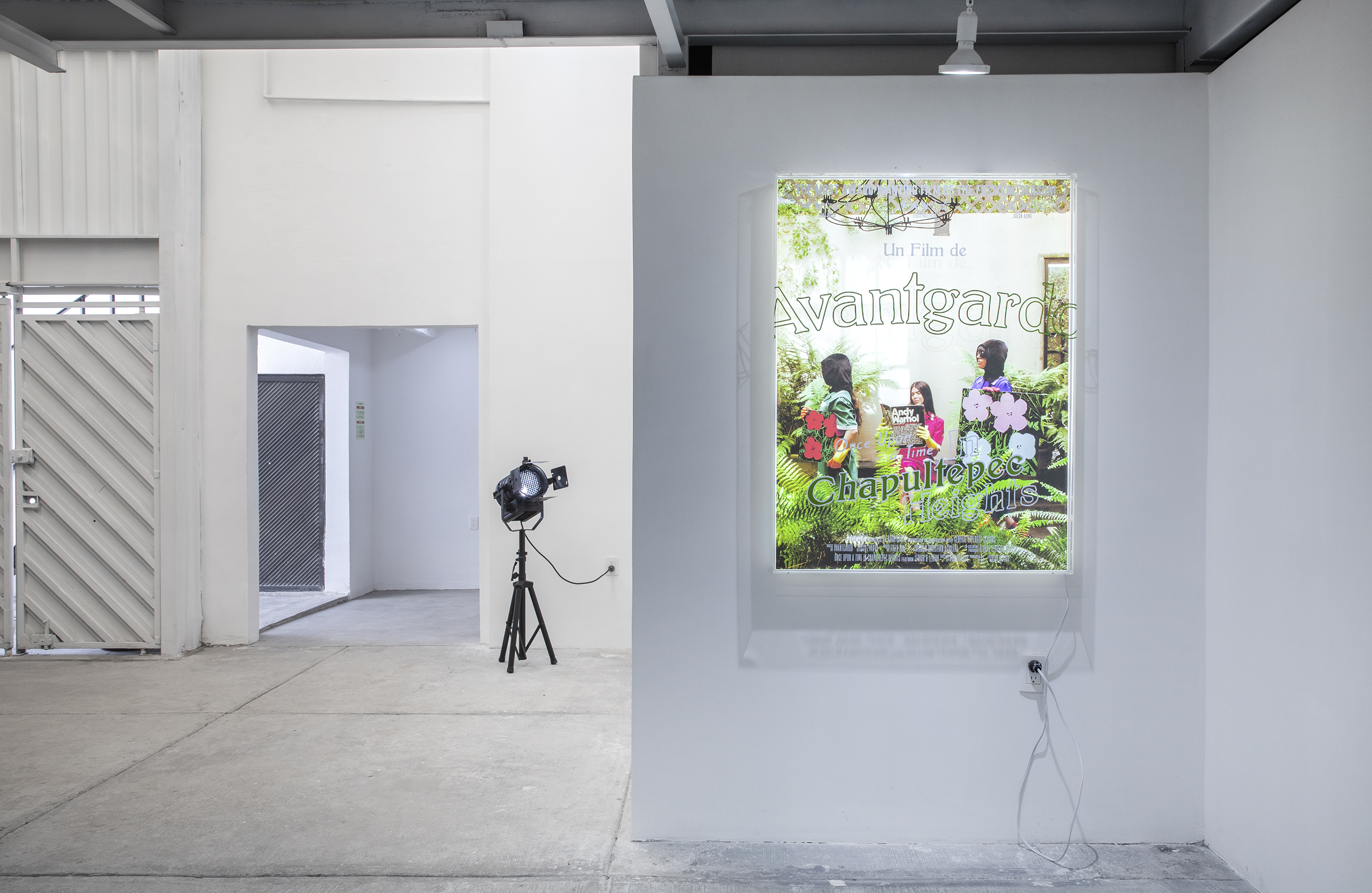
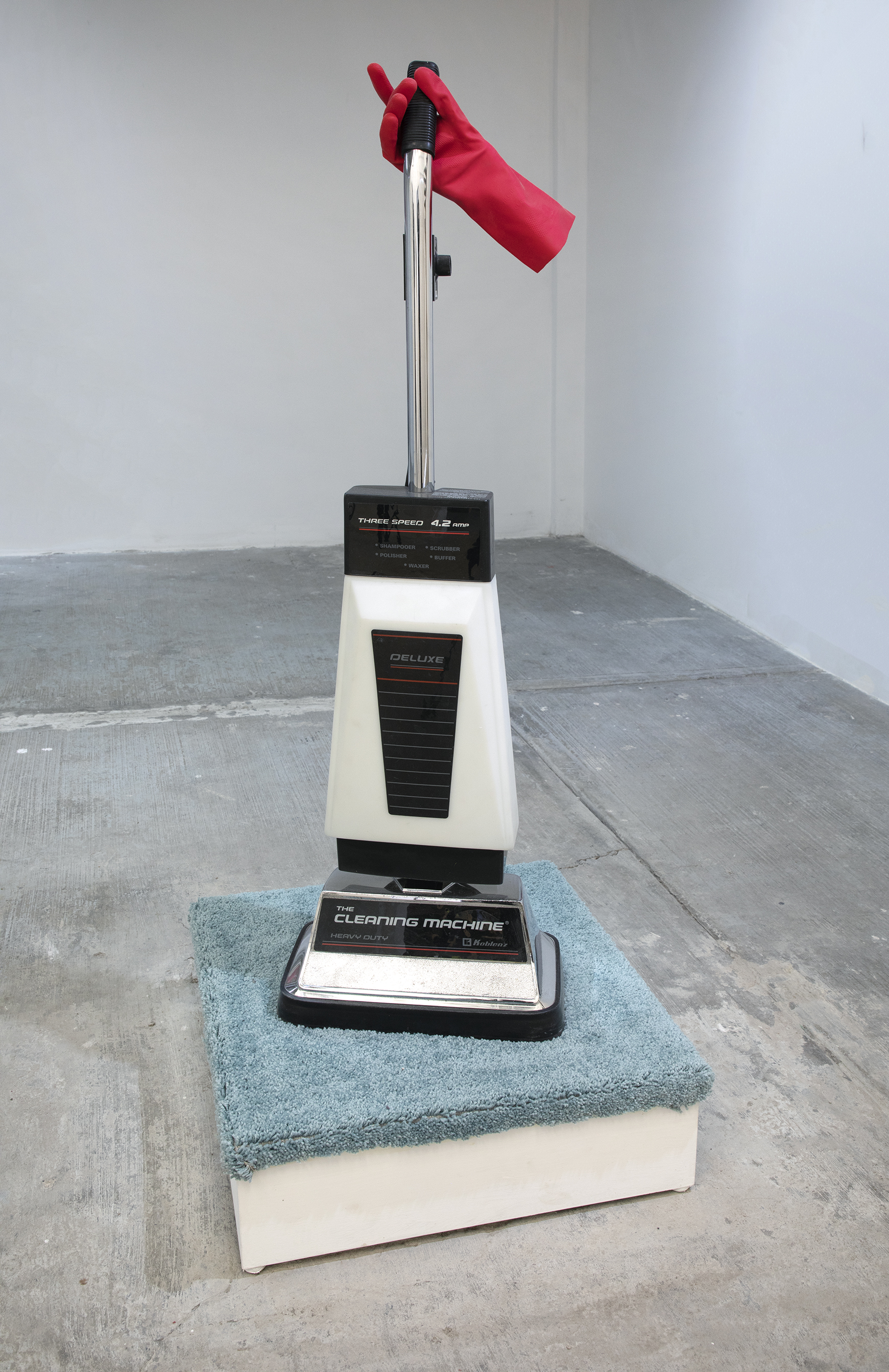
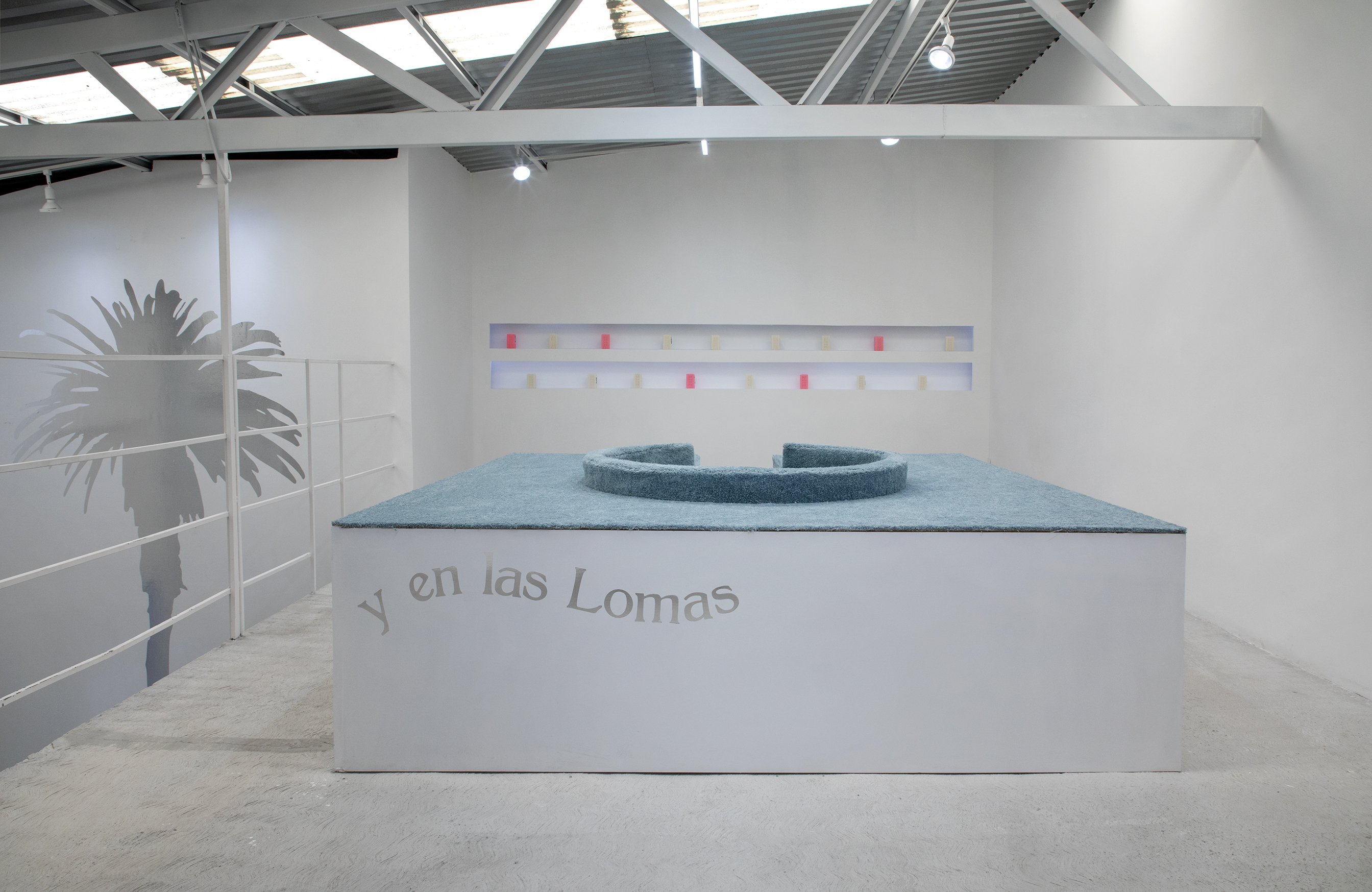
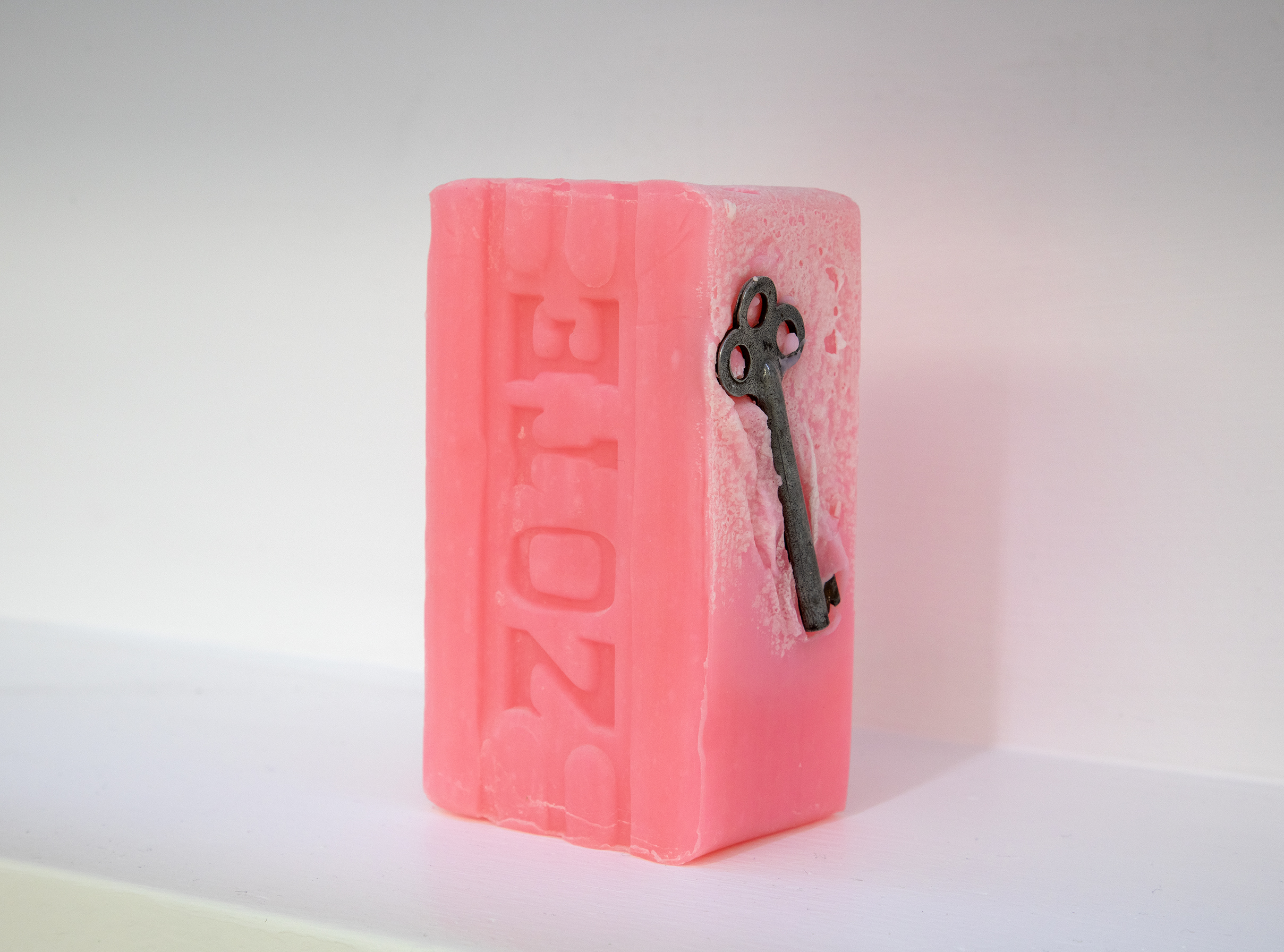
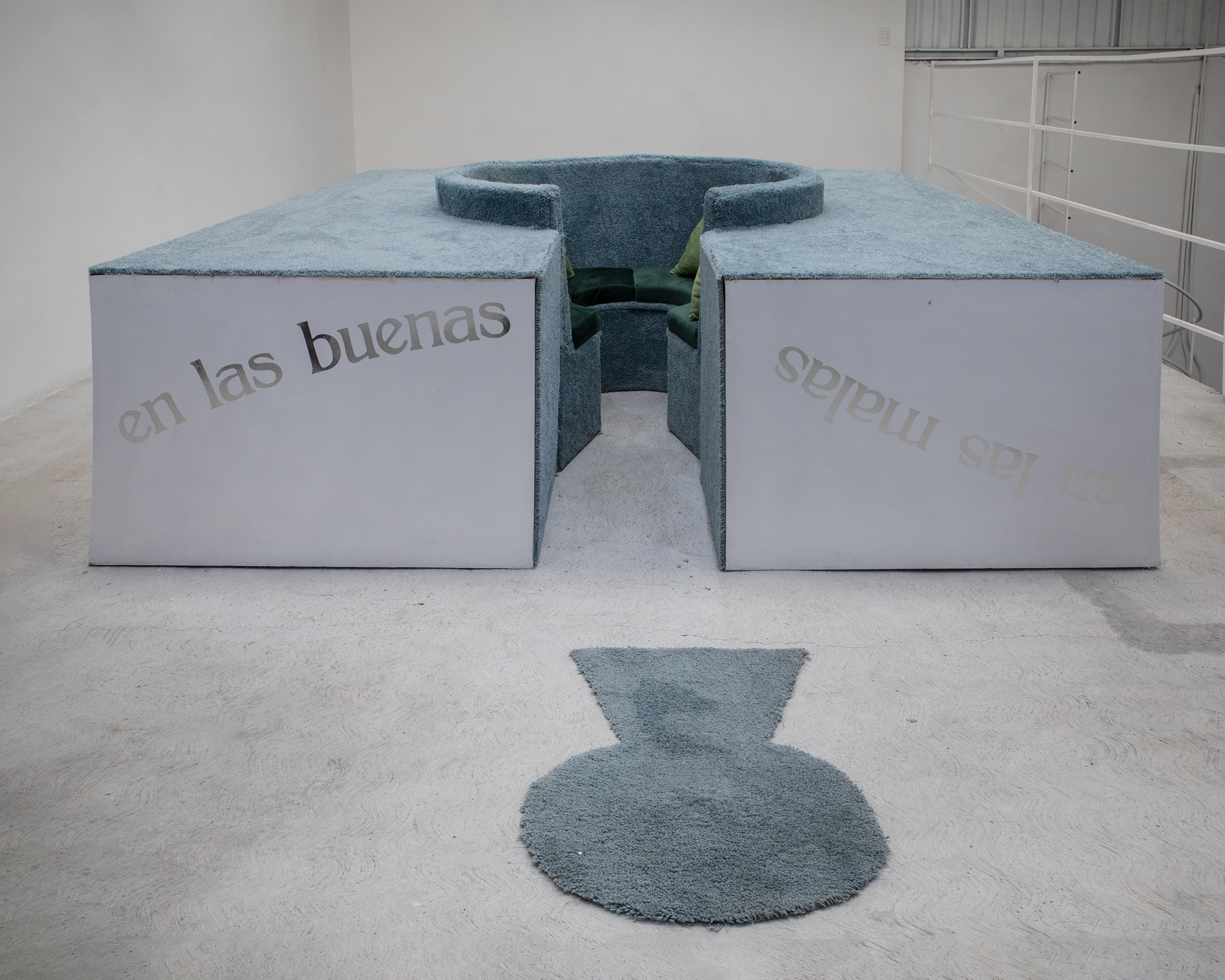
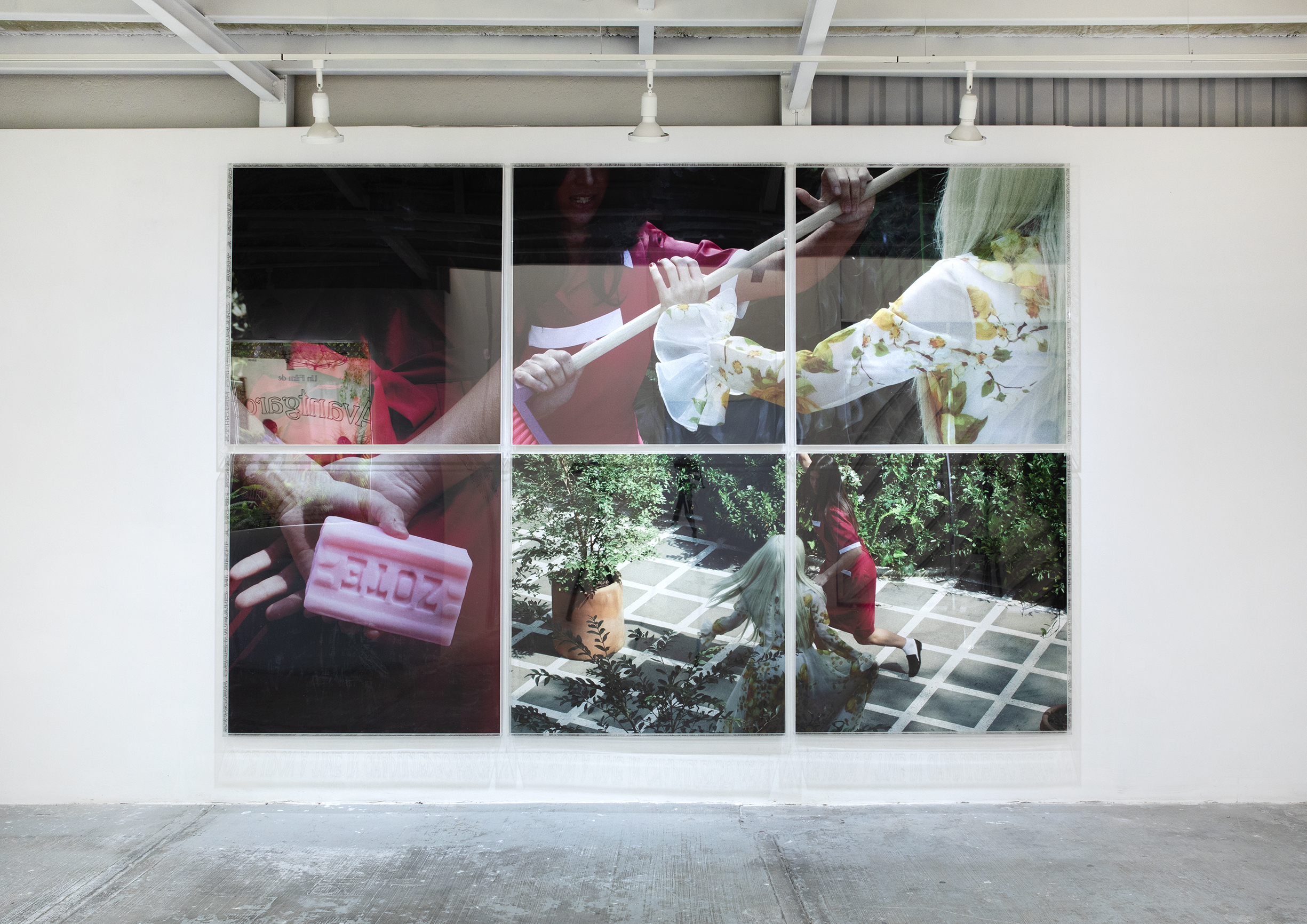
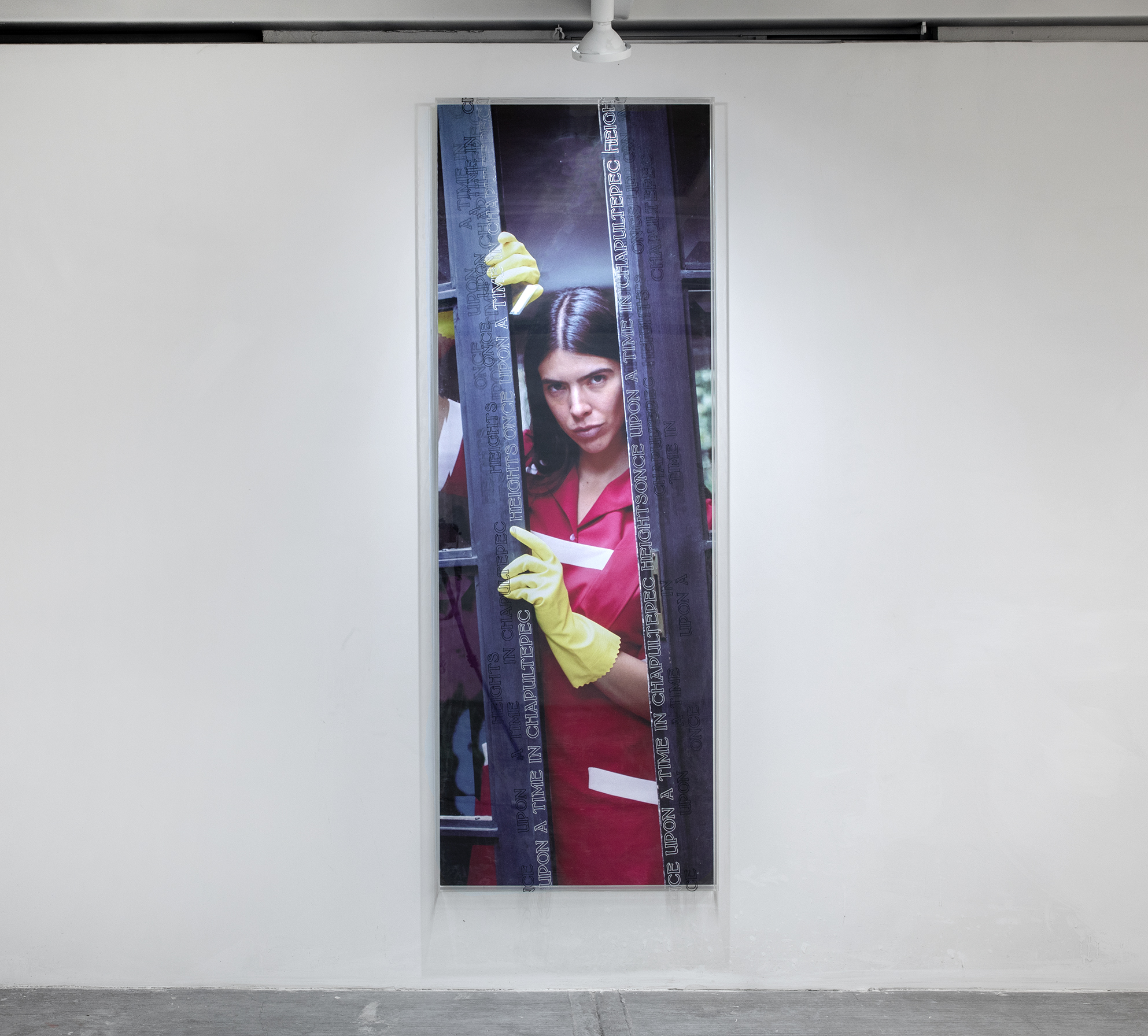
The exhibition Once Upon a Time in Chapultepec Heights is a sample of my recent words: the allusion to a wealthy woman skiing somewhere in the world while distressed, obsessed with the possibility that her maid might steal her mansion in Las Lomas (the decadent and expensive residential area that has become a permanent symbol). The playfulness characteristic of Avantgardo's work leans more toward Georges Bataille's idea of play as transgression, eroticism, and extravagance than Roger Caillois's more anthropological and humanistic view. However, in his works, the artist takes an unexpected turn and creates a paradox that asks us: How can something that is already ridiculous, extreme in its very existence, be transgressed? That which is destroyed in order to be exhibited? Christian always knows how to find the primitive obsession that lurks in the ego of the most diverse human specimens. He turns obscene exhibitionism into a contemporary still life. He is an artist whose insight is often exciting and even addictive. The irony of his language is complex, critical, cynical, and far from sending us a decipherable or rhetorical message. It is dangerous and stimulating to approach Avantgardo's work; I have tried it.
Text by Guillermo Fadanelli
The exhibition Once Upon a Time in Chapultepec Heights is a sample of my recent words: the allusion to a wealthy woman skiing somewhere in the world while distressed, obsessed with the possibility that her maid might steal her mansion in Las Lomas (the decadent and expensive residential area that has become a permanent symbol). The playfulness characteristic of Avantgardo's work leans more toward Georges Bataille's idea of play as transgression, eroticism, and extravagance than Roger Caillois's more anthropological and humanistic view. However, in his works, the artist takes an unexpected turn and creates a paradox that asks us: How can something that is already ridiculous, extreme in its very existence, be transgressed? That which is destroyed in order to be exhibited? Christian always knows how to find the primitive obsession that lurks in the ego of the most diverse human specimens. He turns obscene exhibitionism into a contemporary still life. He is an artist whose insight is often exciting and even addictive. The irony of his language is complex, critical, cynical, and far from sending us a decipherable or rhetorical message. It is dangerous and stimulating to approach Avantgardo's work; I have tried it.
Text by Guillermo Fadanelli